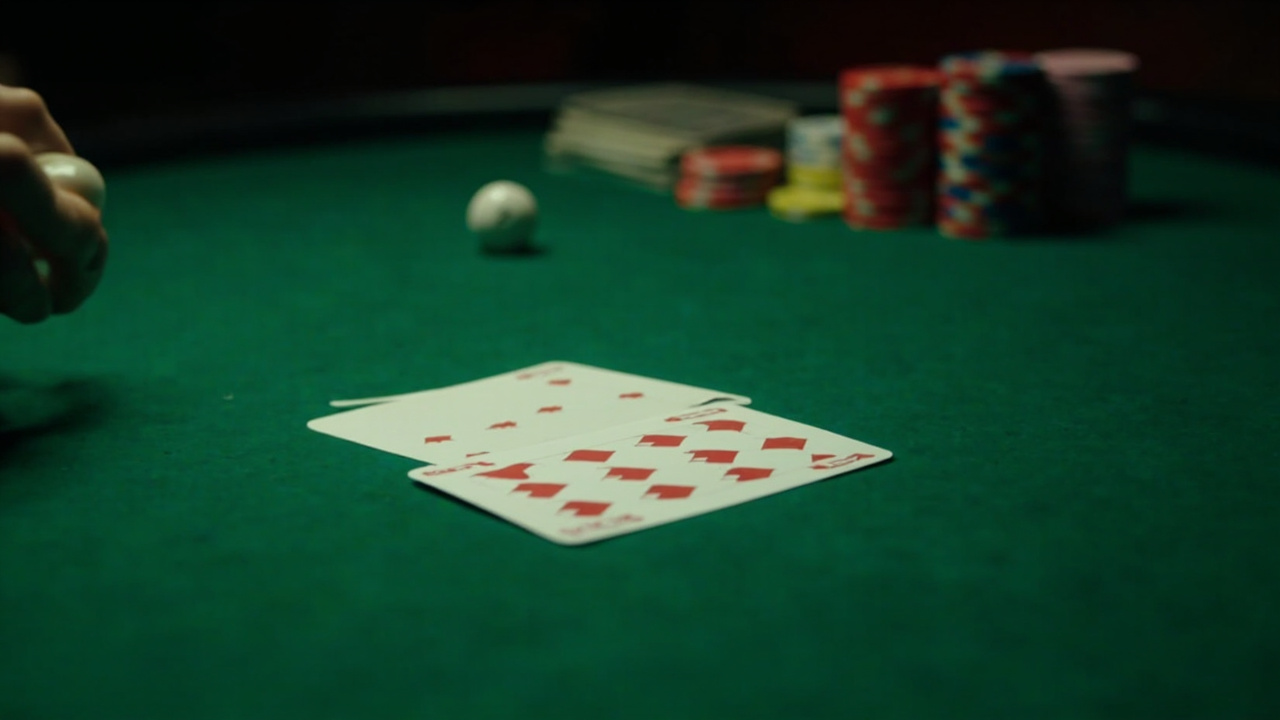
How to play poker against check raises in a Darwin card room comes down to patience and reading the rhythm of the table. When a player checks and then raises after you bet, they are trapping you, and the right response is rarely a reflex call. Our sports and entertainment partnerships background teaches us that timing beats volume every time, much like a media rights deal that values one prime slot over a scattergun schedule. This piece walks through the practical reads, bet sizing, and table conditions that matter when you face that double-barrelled move.
Checking the Trap Before You Commit
A check-raise is a deliberate delay, not a sign of weakness, and treating it like a bluff usually burns your stack. The first job is to look at the board texture and your opponent’s earlier actions, because a tight player who suddenly checks and raises is often holding a strong hand rather than a busted draw. In a busy Darwin pub poker night, you will see this move from the same two or three regulars who know the local rhythm, and the pattern repeats fast once you spot it. From a sponsorship and activation standpoint, we judge a move by its consistency over a session, not by one flashy moment, and the same lens applies here. If the player has been passive all evening and then springs a check-raise on a coordinated board, you are usually behind, and a disciplined fold is often the clearest play.
Reading Position and Board Texture
Position changes the meaning of every check-raise, because the player who acts last after the raise has more information and more control over the pot size. When you are out of position and face a check-raise on a wet board with flush and straight possibilities, the safest path is to slow down and let the hand play out on later streets. A dry board with high cards tells a different story, and a check-raise there can sometimes be a thin value bet from a second-best hand. Our media rights work often turns on whether a broadcast window actually fits the audience behaviour, and poker reads work the same way: the board and position have to line up before you commit more chips. If the texture favours your opponent’s range and you are out of position, a controlled call or a clean fold is usually better than a hero bet that hands them the pot on the next street.
Sizing Your Response and Protecting the Stack
Bet sizing after a check-raise is where many casual players drift into trouble, because they either overcommit on a marginal hand or underbet a strong one and invite a raise back. A measured continuation bet can sometimes take a free card if the opponent is bluffing, but a large overbet into a check-raise usually signals that you think you are ahead and want to charge them heavily. In a real session, I have watched a player lose a tidy stack by calling a check-raise on the turn and then firing again on the river when the board paired, which is exactly the kind of back-to-back commitment that drains a bankroll. From a talent-led activation perspective, we plan each appearance around a clear budget and a clear message, and poker is no different: decide your line before the chips hit the felt and stick to it. If your hand cannot withstand a second bet, the stack protection play is to release it early rather than hope the opponent folds a better one. Biserlen
Table Conditions, Limits, and Practical Trade-offs
The stakes, the blind structure, and the local room rules all shape how often a check-raise works and how aggressively you should respond. A low-limit table with short stacks tends to produce more bluffs and thinner value bets, while a deeper-stack room gives players room to trap and build a big pot over several streets. Darwin card rooms often run mixed games and varied blind levels on a weeknight, so the same player might check-raise differently depending on whether the table is deep or short. Our events and sponsorship work always weighs the trade-off between reach and cost, and a poker table works the same way: a aggressive line might win a small pot now but cost you a bigger one later if the read is wrong. The practical answer is to adjust your frequency, not your fundamentals, and to treat each check-raise as a piece of information about the opponent’s range rather than a fixed signal to call or fold.

Playing the Long Game With Real Value
The real edge against check-raises comes from session-long discipline, not from any single hero call, and that same long-view thinking applies to how you choose where to play. We always look past the welcome offer and weigh the ongoing reasons to return, such as recurring promos, cashback, loyalty and VIP tiers, and regular tournaments that give repeat-play value after the first deposit. If you want a closer look at how to pick an online casino with solid data protection in Australia, this privacy-focused review walks through the details that matter before you sign up. The cardano casino games selection at a reputable room should fit your preferred stakes and game mix, and the payments, currencies, registration steps, mobile play, and support all need to hold up over time rather than just on day one. When the loyalty structure, the tournament calendar, and the table conditions line up, you have a reason to keep showing up, and that steady value is what separates a smart session from a reckless one. cardano casino games